
The family home often represents a significant marital asset, and its division under Ohio law considers factors such as the marriage’s duration, each spouse’s financial circumstances and the needs of any minor children. Typically, courts may decide for one spouse to buy out the other’s share, or the property may be sold with the proceeds divided equitably.
Property Division
Property Division
Dayton Property Division Lawyers
In an Ohio divorce, there is a presumption that property is subject to an equitable division unless otherwise stated in a prenuptial agreement. Generally speaking, “equitable division” is considered to be an equal division of the property. However, the court does not have to divide the property evenly if one party proves financial misconduct. A knowledgeable Ohio divorce attorney can help you determine how to protect your best interests when navigating property division issues.
What Is Considered Marital Property in Ohio?
Martial property is specifically defined in case law and O.R.C. 3105.171(A)(3)(a). Marital property can be all real and personal property that is currently owned by either of the spouses, including but not limited to:


- Retirement benefits
- Real estate
- Personal property
- Bank accounts
- Income and appreciation on separate property due to the labor or in-kind contribution of either or both spouses
- High-value items like cars, artwork, etc.
What Can Be Considered Separate Property during Divorce?
Separate property is not subject to equitable distribution. Separate property is also defined by case law and O.R.C. 3105.171(A)(3)(a)(6). Separate property generally means:
- All real and personal property that was acquired prior to the date of marriage
- Passive income and appreciation acquired from separate property during the marriage
- Property acquired after the date of the decree of legal separation
- Property that is excluded by a valid prenuptial or antenuptial agreement
- Compensation to a spouse for the spouse’s personal injury (except for the loss of marital earnings and compensation for expenses paid from marital assets)
- Certain gifts and inheritance
An accurate property valuation date will be necessary to ensure that you receive an equitable distribution of assets and that you are protected as much as possible. The valuation date is articulated by the court’s local rules unless it would be unjust to follow those rules. When the valuation of certain property is not easily obtainable, it will be necessary to obtain a professional report and/or examination to determine the date. This is a very fact-specific issue, and each case is different.
Further, in addition to an equitable distribution of property, the court will order an equitable distribution of debt. Debts that are incurred during the marriage are presumed to be marital and will be subject to the aforementioned distribution. Ohio law does not outline a method of the division of debt and therefore a Judge or Magistrate may exercise his or her discretion in distributing the debt based on the facts presented.
Retirement Benefits and Divorce
Retirement benefits that were acquired during the marriage will be subject to equitable distribution under Ohio Law. Pensions, defined contribution plans, 401(k)s, IRAs, and countless other retirement mechanisms are subject to different tax treatment and different requirements. To divide these plans there need to be additional orders such as Qualified Domestic Relations Orders and Division of Property Orders, which are filed with the court then sent to the retirement provider directly.
Certain plans have added complexities and nuances such as Military retirement plans, Government retirement plans, and certain Union plans. It is important to hire an experienced attorney to ensure that you get what you are entitled to, or in the alternative, to protect what you have worked hard for your entire career.
Business Valuation and Division
The outcome of a business division can have a significant effect on both parties. This involves complex asset allocations and likely will require valuations and testimony from expert witnesses. We work with a network of business valuation specialists to ensure that your rights in the business are protected.
Our Dayton Divorce Lawyers Can Help
At The VanNoy Firm, our attorneys are dedicated to helping clients resolve their divorce and property division matters swiftly and in a matter that most benefits their interests. Contact us today to learn how we can assist you, too.
FAQs About Property Division in Ohio
What Happens to the Family Home in a Divorce?
How is Property Valued?
Accurate property valuation is crucial for a fair division of assets, often requiring professional appraisals for real estate, retirement accounts and businesses, with the valuation date typically determined by court rules. Our attorneys collaborate with a network of trusted professionals to ensure precise assessments and fully protect your rights.
Do Debts Get Divided Between Spouses?
Debts incurred during marriage, such as credit cards, mortgages and loans, are typically considered marital debts and divided equitably in Ohio based on the unique circumstances of each case. Factors like who incurred the debt, its purpose and each spouse’s ability to pay are considered, making it essential to have an attorney advocate for a fair outcome.
Are My Retirement Savings Considered Marital or Separate Property?
Retirement benefits accrued during a marriage, including pensions and 401(k)s, are generally considered marital property subject to equitable division, though pre-marital or post-separation contributions may be separate. The complex division of these assets often requires specific legal documents like Qualified Domestic Relations Orders (QDROs) and comprehensive legal guidance, particularly for unique plans such as military or government pensions.
How Can I Protect My Business If I Am Getting Divorced?
Protecting your business during divorce is crucial, as its division depends on establishment timing, marital contributions and professional valuation. The VanNoy Firm works alongside business valuation specialists to accurately represent and safeguard your interests throughout this complex process.
How Can We Help You?
Our premier Dayton attorneys work diligently to defend our clients’ rights with aggressive and individualized legal representation.
Our Family Law Attorneys

Anthony S. VanNoy
Trial Attorney

Kristie L. Gotwald, Esq
Trial Attorney
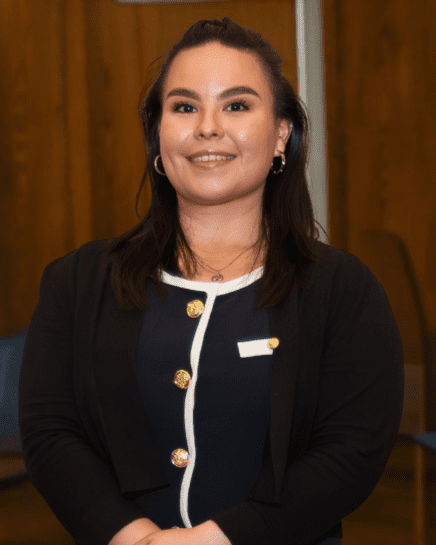
Ileana G. Valdivia
Attorney
Why Do People Choose Us?
Because We Win!
I really love Mr. VanNoy, he's the best lawyer ever. He has always been there for my family. He is courteous, kind, polite, thorough, and a Christian man, love it.
Charlene L.
Very professional and very respected.
Chris D.
Looking for an attorney for Greene or Montgomery County? Anthony VanNoy is the lawyer you need. VanNoy Law Firm promptly responded to every phone call, text and e-mail we sent. We were treated with care and compassion. Contacted VanNoy Law Firm, explained she had 30 felony counts and a probation violation and that we wanted her out of jail immediately, he said he could make that happen so we retained him. Anthony had her out of jail in a couple of days and had Montgomery County resolved in the same time frame. Also had the Greene County ankle monitor removed…
Richard F.
I truly want to give a heartfelt shoutout to Kristie Gotwald, my current attorney, for my domestic relations case and she is beyond phenomenal, smart, wise, respectful and very very determined. She’s a winner and we are not even done yet!!!. I recommend her to anyone and everyone out there that is going through any domestic relations case. I feel she truly cares and that she actually fights for you… I finally get to see my son because of her and her hard work and I truly want to say thanks and we are not done yet!
Deangelo C.
Life Changing Attorney!!! Words cannot fully express the gratitude I have for Attorney Anthony VanNoy. He went above and beyond in every possible way and truly changed the course of my life. I had two court cases that felt overwhelming and uncertain, but thanks to his dedication, patience, and genuine care, both resulted in amazing outcomes. From the moment we hired him, everything changed. He immediately stepped in, got me a court date the very next day, and had me released from jail that same day. My previous attorney had told me I’d be waiting a month just to be…
Amy P.
We have known Tony and his family for years. Honest, hard working and trustworthy...hands down.
Josh W.
The staff exercised patience and clarity, taking the time to explain everything thoroughly. Their communication was not only excellent -it was exceptional. This experience reminded me that communication truly is the key. Thank you for your outstanding service!
Oluwafemi I.
I thank God for the VanNoy firm & every associate that we've dealt with over the years. My family & a couple friends of mine are all pleased with the professionalism, patience, experience, & love shown from top to bottom. Anthony is a true man of Faith & the fact he takes every case he has before God shows how much he cares for his fellow man. Thank you every time for everything. God bless you.
Anton
Attorney Anthony VanNoy is the best attorney ever. He cares about his clients. I cannot thank you enough for helping my son. All charges were dropped... Thank you!!!
Teresa G.
Anthony was very pleasant, and very helpful! He explained a lot of what's gone wrong in the past and how to fix it going forward.
John H.
You Can Trust Your Future To The VanNoy Firm
How Can We Help You?
Make a consultation with our expert team to solve your problems.
Fill out the form below to schedule a consultation.

Attorney Advertising. This information is designed for general information only. The information presented should not be construed to be formal legal advice nor the formation of a lawyer/client relationship. Past results and testimonials are not a guarantee, warranty, or prediction of the outcome of your case, and should not be construed as such. Past results cannot guarantee future performance. Any result in a single case is not meant to create an expectation of similar results in future matters because each case involves many different factors, therefore, results will differ on a case-by-case basis. By providing contact information, users acknowledge and give explicit consent to be contacted via the methods of communication provided, including SMS. Message and data rates may apply. Message frequency may vary. Reply STOP to opt out.
NUVEW | Copyright 2026 All Rights Reserved | Privacy Policy | Accessibility Notice