
Being pulled over on suspicion of drunk driving can be a frightening experience. If an officer asks you to perform field sobriety tests, you may feel confused about your rights and what will happen next. Understanding the legal consequences of failing or refusing these tests can help you make informed decisions and protect your future. At The VanNoy Firm, we’ve witnessed firsthand the stress that our clients experience when faced with a DUI arrest. We provide informed guidance to help you seek the best possible outcome given your circumstances.
If you were pulled over for a DUI in Ohio, you should keep the following in mind:
- Failing field sobriety tests gives officers probable cause to arrest you for DUI
- Refusing a test may result in a longer license suspension than if you had taken it
- Field sobriety test results can be contested in court
- An experienced lawyer can help generate a strong defense
What Is the Legal Impact of Failing Field Sobriety Tests in Ohio?
Field sobriety tests are physical coordination exercises that officers use to determine whether you may be impaired. The 3 most common tests include the horizontal gaze nystagmus (eye tracking), walk-and-turn and one-leg stand. When you fail these tests, the officer interprets your performance as evidence of intoxication.
Poor performance on field sobriety tests gives law enforcement probable cause to arrest you for Driving Under the Influence (DUI). The results become part of the evidence that the prosecution can use against you in court. However, these tests are far from foolproof. Many factors can cause someone to struggle with balance and coordination that have nothing to do with alcohol or drugs.
Medical conditions like inner ear problems, back injuries, neurological disorders, or simple fatigue can all affect your ability to perform these tests. Even anxiety during a traffic stop, poor footwear, or uneven pavement can make it difficult to complete the exercises successfully. Because the results are subjective and depend on the officer’s interpretation, an experienced attorney can often challenge the validity and reliability of field sobriety test evidence.
What Are the Differences Between Refusal and Failure of FSTs?
Understanding the distinction between refusing and failing field sobriety tests is important. When you refuse to take the tests, you are exercising your legal right not to participate in roadside physical evaluations before arrest. Ohio’s implied consent law only applies to chemical testing (breath, blood or urine tests) after a lawful arrest, not to field sobriety tests conducted at the roadside.
Even if you do not take a field sobriety test, the officer may still proceed with arresting you. The arrest can be based on other observations, like the smell of alcohol, erratic driving, slurred speech or bloodshot eyes. Your refusal may also be noted in the police report, which prosecutors might use to suggest consciousness of guilt. However, without field sobriety test results, the state has less evidence to prove impairment in court.
On the other hand, if you agree to take the tests and fail, you provide the prosecution with additional evidence they can use against you. The officer’s testimony about your performance becomes part of their case. This is why many Ohio drivers choose to politely decline field sobriety tests: to avoid giving the state more ammunition for a conviction.
What Are My Rights Regarding Field Sobriety Tests?
You have the constitutional right to refuse field sobriety tests in Ohio. Unlike chemical testing after arrest, you are not legally required to perform roadside physical exercises. Officers may try to make it seem mandatory or pressure you into compliance, but you can respectfully decline without facing immediate legal penalties.
However, refusing a test does not guarantee you will avoid arrest. If the officer has other reasons to believe you are impaired, such as the odor of alcohol, admission of drinking or erratic behavior, they can still arrest you for DUI. Once arrested, Ohio’s implied consent law requires you to submit to chemical testing or face automatic license suspension.
It is also important to understand that while you are allowed to refuse field sobriety tests, denying a chemical test after arrest carries harsher consequences. For a first offense, refusing a breathalyzer or blood test after arrest can lead to a 1-year license suspension, compared to a 90-day suspension if you take the test and fail. The suspension increases for subsequent offenses.
What Are the Next Steps After Failing or Refusing FSTs?
If you fail or refuse field sobriety tests and are arrested for DUI, your next steps are critical. First, remain calm and polite. Do not argue with the officer or make any statements that could be used against you later. Anything you say can become evidence in your case.
Contact an attorney as soon as possible. The VanNoy Firm has experience defending clients against DUI charges. We understand the weaknesses of field sobriety testing and know how to challenge the evidence against you. Our team will carefully review your case, including how the tests were administered, whether proper procedures were followed and whether medical or environmental factors unfairly influenced the results.
We will also examine whether the officer had reasonable grounds to stop you in the first place. If the traffic stop was unlawful, evidence gathered afterward, including field sobriety test results, may be inadmissible in court.
Protect Your Rights With The VanNoy Firm
Field sobriety tests can have serious consequences, whether you fail them or refuse to take them. Your behavior during a traffic stop can impact your case. That is why it is essential to have a skilled attorney on your side who understands Ohio DUI law and can build a strong defense.
The VanNoy Firm has successfully defended clients against DUI charges throughout Ohio. We challenge field sobriety test evidence, question the validity of traffic stops and fight to protect your driving privileges and freedom. If you have been arrested for DUI after failing or refusing field sobriety tests, do not wait. Contact us today for a consultation.
About The Author

Anthony S. VanNoy
Trial Attorney


You May Also Like Other Posts

What Happens After You Fail or Refuse Field Sobriety Tests in Ohio?
Being pulled over on suspicion of drunk driving can be a frightening experience. If an officer asks you to perform field sobriety tests, you may feel confused about your rights…
Read More

How Do Courts Divide Cryptocurrency in a High-Asset Divorce?
High-asset divorces often present challenges due to complex financial portfolios, but the emergence of digital currencies has introduced additional complexities to property division. Unlike traditional assets such as bank accounts…
Read More
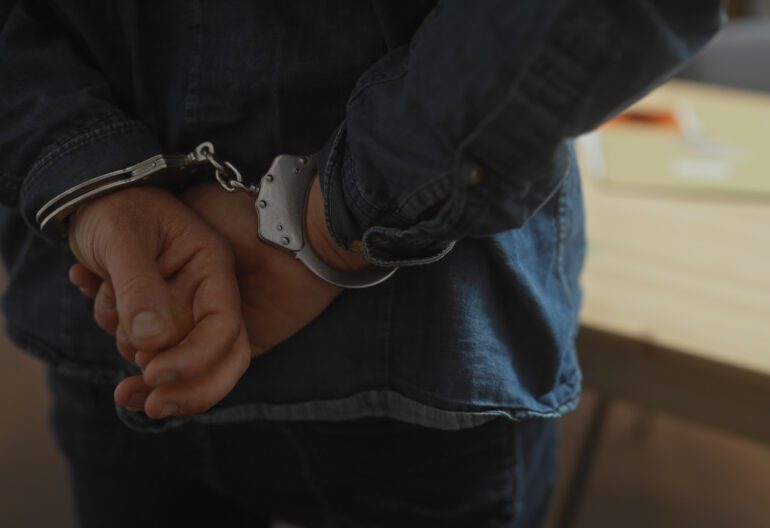
Can You Be Charged With Assault Even If You Didn’t Start the Fight?
Finding yourself in handcuffs after an altercation you did not provoke is a confusing and stressful experience. Many people assume that if they did not throw the first punch, they…
Read More
How Can We Help You?
Make a consultation with our expert team to solve your problems.
Fill out the form below to schedule a consultation.

Attorney Advertising. This information is designed for general information only. The information presented should not be construed to be formal legal advice nor the formation of a lawyer/client relationship. Past results and testimonials are not a guarantee, warranty, or prediction of the outcome of your case, and should not be construed as such. Past results cannot guarantee future performance. Any result in a single case is not meant to create an expectation of similar results in future matters because each case involves many different factors, therefore, results will differ on a case-by-case basis. By providing contact information, users acknowledge and give explicit consent to be contacted via the methods of communication provided, including SMS. Message and data rates may apply. Message frequency may vary. Reply STOP to opt out.
NUVEW | Copyright 2026 All Rights Reserved | Privacy Policy | Accessibility Notice